
Employee Experience
Office Management Hacks
Case Study

A "Good job!" is the goal of every company. We hire the best talent, buy the fastest computers, and design ergonomic workspaces—all to create the conditions for high performance.
Yet, every day at 11:30 AM, many companies make a decision regarding their office catering that actively sabotages that performance: they serve (or allow) low-quality, high-carb, nutrient-poor food.
If you are a CFO, you might see lunch as a line item to be minimized. If you are an HR Lead, you might see it as a "nice-to-have" perk. But the science tells a different story. Food is fuel. And just as you wouldn't put low-grade diesel in a Ferrari and expect it to win a race, you cannot fuel a high-performance team with cheap carbohydrates and expect innovation.
This isn't just about "wellness"; it is about economics. The link between office lunch productivity and the bottom line is direct, measurable, and often ignored.
This guide explores the workplace nutrition science behind employee performance and explains why upgrading your lunch program might be the smartest productivity investment you make this year.
We have all experienced it. You have a productive morning. You eat a heavy lunch—maybe a pasta dish, a burger, or a sandwich with white bread. By 2:00 PM, your brain feels like it is wading through molasses. You struggle to focus. You reach for a third coffee.
This isn't a lack of willpower; it is biology. It is the direct result of the food productivity link working against you.
When employees consume meals high in refined carbohydrates and sugar (common in cheap catering options), their blood glucose levels spike rapidly. This provides a short burst of energy. However, the body responds by flooding the system with insulin to clear the sugar.
The result is a "hypoglycemic crash"—a rapid drop in blood sugar that occurs 60 to 90 minutes after eating.
If you are paying a developer or a strategist a high salary, losing 20% of their afternoon cognitive output is an incredibly expensive way to save €2 on a meal.
.png?width=953&height=317&name=resized_image_24%20(2).png)
The brain is a hungry organ. It consumes about 20% of the body's daily energy expenditure. To function at an elite level—solving complex problems, maintaining focus, and regulating emotions—it requires specific nutrients.
A strategic office lunch impact goes beyond calories. It delivers the micronutrients required for employee performance.
Found in fatty fish (salmon, mackerel), walnuts, and flaxseeds.
Found in whole grains (quinoa, brown rice, rye bread), vegetables, and legumes.
Found in colorful vegetables and berries.
When an Office Manager curates a menu rich in these elements, they aren't just ordering food; they are optimizing the company's hardware.
Employee wellness is no longer just about physical health; it is primarily about mental health. Stress, anxiety, and burnout are major drivers of absenteeism and turnover.
Recent research into the "gut-brain axis" reveals that food and mental health are deeply interconnected. 90% of the body's serotonin (the neurotransmitter that regulates mood) is produced in the gut.
A lunch menu that relies on processed foods, unhealthy fats, and excess sugar disrupts the gut microbiome. This inflammation is linked to increased rates of anxiety and depression. Conversely, a "good lunch"—rich in fiber, fermented foods, and plants—supports a healthy microbiome.
There is a reason the word "company" comes from the Latin cum panis—"with bread."
In the era of hybrid work, the office has a new competitor: the home. Why should I commute for 45 minutes just to sit on Zoom calls? The answer is connection. And connection happens over lunch.
Sociological research shows that "commensality" (eating together) triggers the release of oxytocin, a hormone that promotes bonding and trust.
If your office lunch productivity strategy involves employees eating sandwiches alone at their desks, you are killing collaboration. A communal, high-quality buffet catering berlin setup encourages movement, conversation, and is the most powerful team-building tool you have.
.png?width=953&height=317&name=resized_image_25%20(1).png)
Let's speak the language of the Finance Lead. You might look at a premium lunch program and see a cost increase of 15%. But you need to look at the cost of the alternative.
Let’s look at a hypothetical scenario for a company of 50 employees.
The Result: The "expensive" lunch is actually €425 cheaper per day when you factor in output. Over a year (220 working days), that is a €93,500 difference in value generation.
And that doesn't even count retention. Replacing a burned-out employee costs 6-9 months of their salary. If a great lunch culture keeps just one key person from leaving, the program pays for itself instantly.
So, how do you operationalize nutrition in the workplace? You don't need to hire a nutritionist; you just need to demand more from your catering partner.
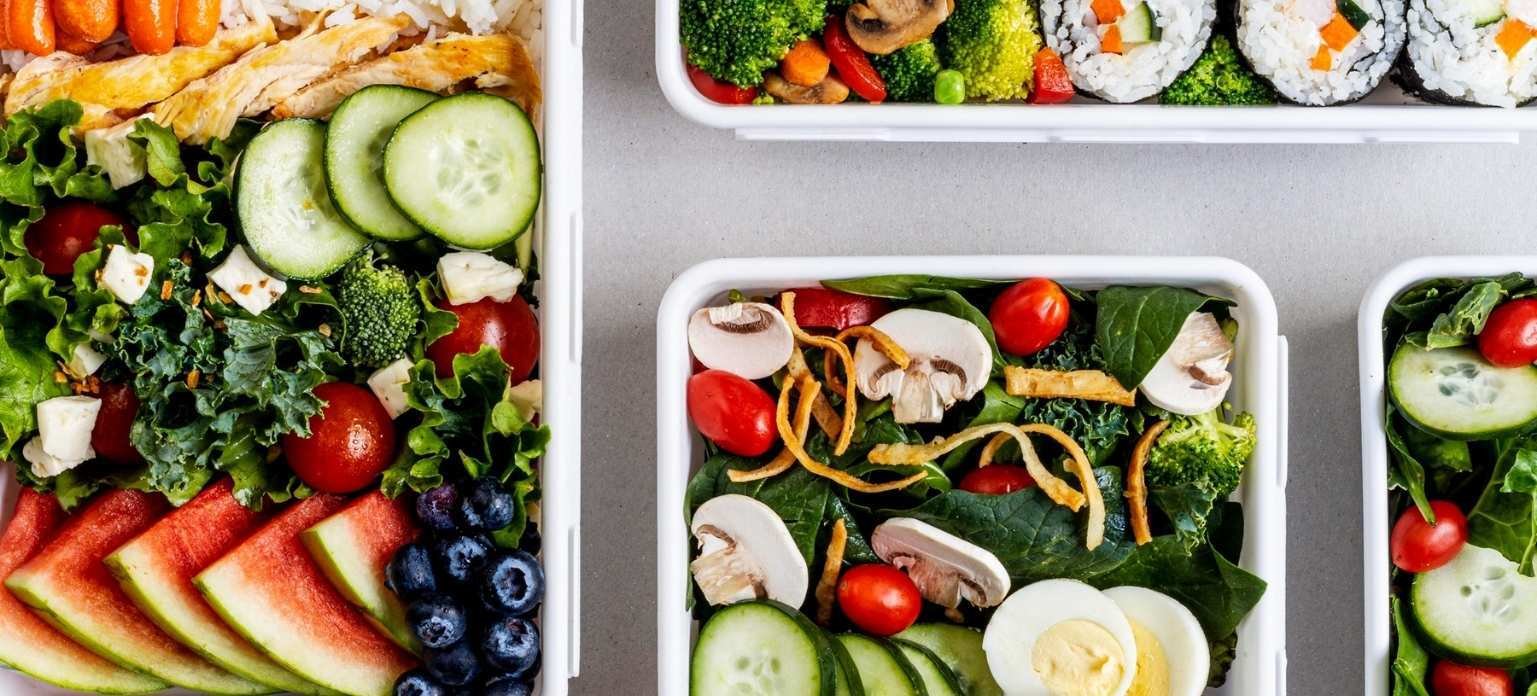
At Officeguru, we work with kitchens that understand this science. Here is what a productivity-focused menu looks like:
Instead of the traditional "Carb Heavy" plate (60% pasta, 20% sauce, 20% protein), aim for:
Monotony kills morale. If Monday is great but Tuesday is boring, the excitement drops.
We believe that "Good job" is mutual. It requires the employee to show up ready to work, and the company to provide the fuel to make that work possible.
Many traditional caterers focus on "filling the stomach" because it is cheap. Pasta is cheap. Rice is cheap. We focus on "fueling the brain."
We spend thousands on software to make our work faster. We spend millions on office leases to make our work more comfortable. Why do we skimp on the one thing that physically builds the brains doing the work?
Office lunch productivity isn't a buzzword. It is a biological reality.
Investing in high-quality food is not an expense; it is a performance strategy. It signals to your team: "We care about your health, and we value your energy." When you get the food right, you get the focus right. And when you get the focus right, the business grows. Ready to transform your team's midday fuel and unlock their full cognitive potential? Go ahead and sign-up today to build a high-performance catering program that your employees—and your bottom line—will thank you for!
When you get the food right, you get the focus right. And when you get the focus right, the business grows.