
Office Management
Workplace Experience
Tea Ceremony


Search for office moving or moving company Berlin and almost every result is written by someone selling the move. You'll read a lot about boxes, trucks and insurance. All of that matters – and so does having a reliable handyman in Berlin for the shelves, lamps and small fixes once everything has arrived. But there's one question those pages rarely ask: what should the move actually change for your team?
This guide is written from the other side of the table. It's for workplace and office managers who own an upcoming move or consolidation – and who want the new office to work better, not just look new.
All quotes come from video interviews with Officeguru and have been lightly edited for clarity. This article is part of our series featuring five voices from Berlin offices.
Office Manager Aufgaben: Was Office Manager:innen wirklich leisten – 5 Stimmen aus Berliner Offices
A moving company's checklist is built around the moving day. That makes sense – it's their job. But for you, the moving day is only one step in a much longer project. Before it come the questions of why you're moving, what your teams need and what the new space should feel like. After it comes the part nobody plans for: settling in, fixing what doesn't work and making the office your own.
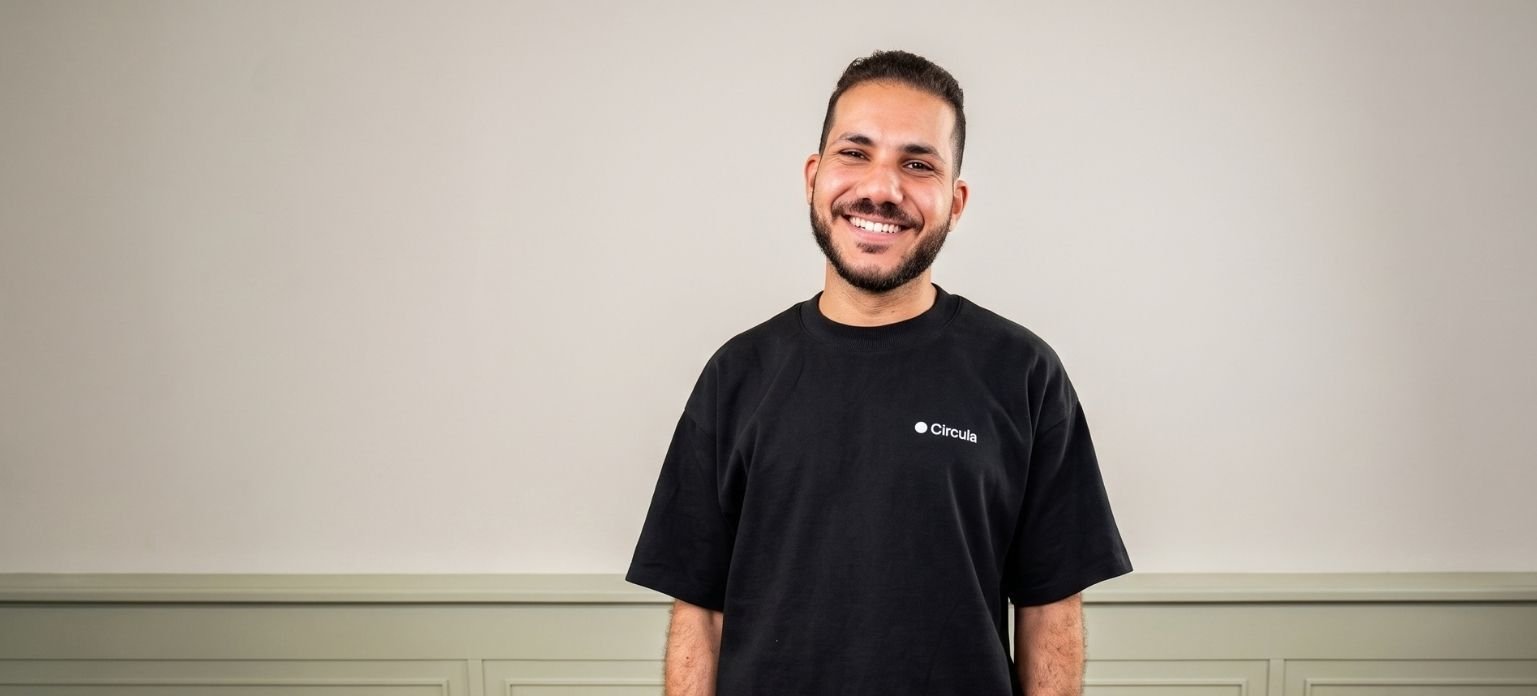 Salah is Workplace Experience Manager at Circula in Berlin and recently led the company's office move.
"It was my project from zero, like from A to Z – from scouting different offices and choosing this one, to the whole concept of it, to the move."
The interesting part is why Circula moved. It wasn't about space. The new office is about the same size as the old one. The difference: the team used to sit on three different floors. Now everyone is on one.
The old office wasn't bad at all. Salah describes it as "a very nice office, super cool location." Something else was missing:
"What was missing was this collaboration. People who sit on different floors used to almost never see each other unless they have a meeting."
Even lunch followed the floor plan. People from the second floor went to lunch with people from the second floor. That bothered everyone – and it became the real brief for the move: one space for all of us, and a space that fits the company better.
So the concept went beyond square metres. Salah's team chose furniture and a colour concept that reflected the company. The reward came when colleagues started using the new space:
"It's really cool to see it all come together, and people enjoying it and saying: 'Oh, I see us as a company in this.'"
Salah's summary of the result: "Everyone is quite satisfied with it." And, honestly: "It's of course still a work in progress."
Asked for the three most important lessons, Salah didn't mention a single box.
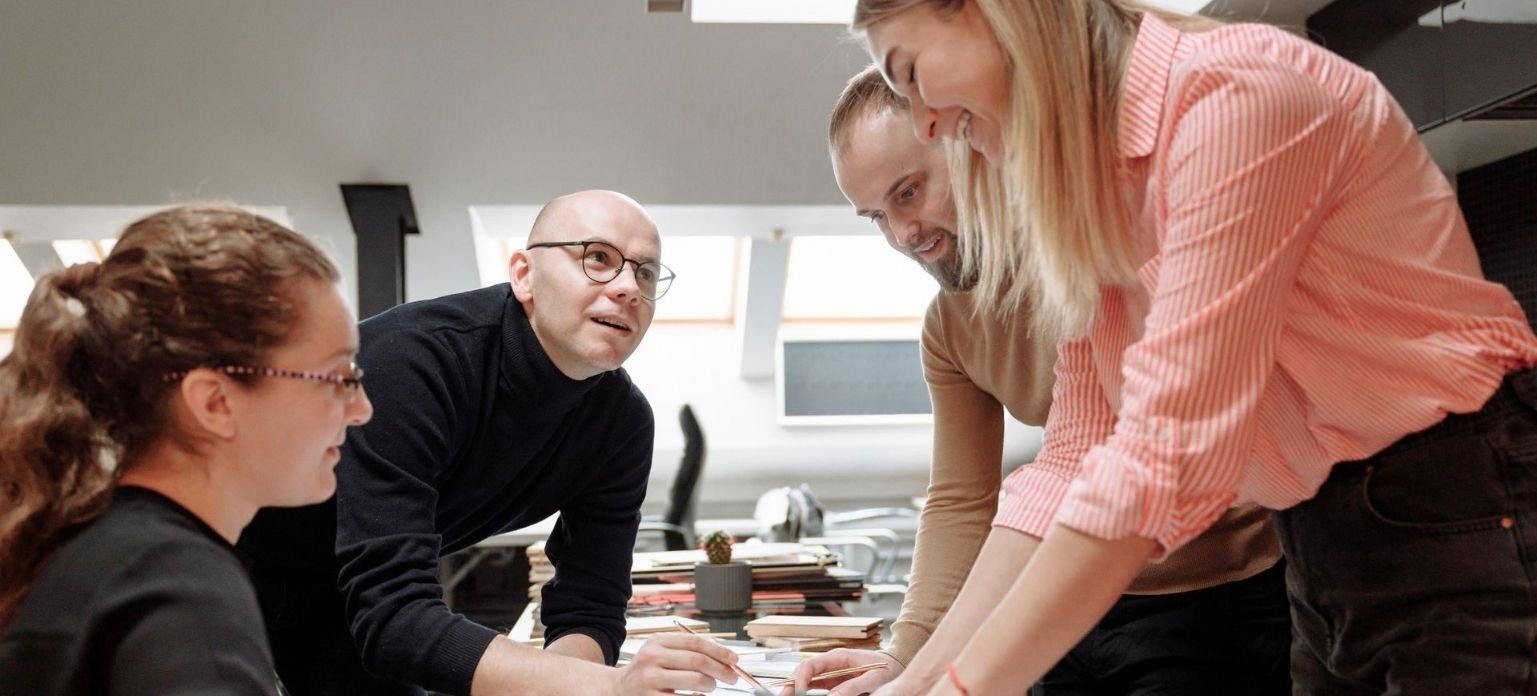
"Gather as much feedback before you start the project. Understand the needs of your teams and what would make the new office a greater place to come into."
At Circula, the feedback pointed at one thing: collaboration. At your company, it might be quiet space, better meeting rooms, or a kitchen people actually want to sit in. You won't know until you ask.
"Work with people who – it's their job. So trust them."
You don't need to become a moving expert. Your job is to know what the team needs and to pick partners you can rely on. Then let them do their work, instead of checking every step twice.
"Don't lose too much energy and time on very small details, like what piece of furniture. Just the big picture: what would make this a very nice space for people to come in and be able to work and collaborate and enjoy."
A move produces hundreds of small decisions. Each one feels important in the moment. Most of them aren't.
Salah also recommends a community of other office managers. Especially for a big one-off project like a move, it helps to hear what others did right, what they did wrong and what they learned – instead of being thrown into cold water.

Planning an office move gets easier when you separate it into phases. Here's a framework based on Salah's approach:
Minimal downtime mostly comes from steps 5 and 6: partners who know their job, and a moving window that doesn't collide with busy weeks.
It depends on team size, how much furniture moves with you and whether the new space needs work first. But one thing holds for almost every move: the moving day is short, and the project around it is long.
Salah's project started with scouting offices – long before anything was packed. That's typical. Use this timeline as a starting point for planning, not as a rule:
| Phase | What happens |
|---|---|
| Early phase | Define the why, collect feedback, scout and choose the space |
| Planning phase | Concept, furniture, partners, IT, communication plan |
| Moving week | Packing, the move itself, setup of desks and tech |
| Settling in | Fixes, small adjustments, second round of feedback |
The last phase is the one most plans forget. As Salah says, the new office is "still a work in progress" – and that's normal.
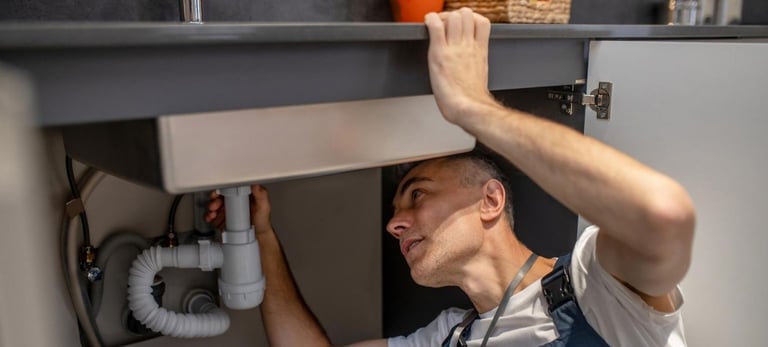 Office move costs rarely come from the move itself. They come from everything around it. Watch out for:
And the biggest pitfall isn't a cost at all: losing too much time on small details, as Salah warns. The second biggest is unclear ownership. Salah points out how much it helps when one person fully owns a topic. A move is the clearest example.
Moving companies will tell you why they're the best choice. From the buyer's side, these are the questions that matter:
 Before the move
Moving week
After the move
A move is a moment when people suddenly see how much work goes into an office. Polina, People & Culture Specialist at Vay, noticed this after her company's move: colleagues became much more aware of the effort behind a well-running office.
Use that moment. Show what changed and why. And keep going – because the new office will keep evolving with your team.
A good office move isn't measured by how smoothly the trucks arrive. It's measured by what happens afterwards: whether people meet, work together and recognise their company in the space. Circula moved from three floors to one because collaboration was missing. That's a good reason to move – and a good reason to plan the whole project around people, not logistics.
Planning a move, or simply want to improve how your current office works for your team? Book a call with us – no strings attached. Pick a time below that suits you, and let's talk about your office, your employees, and where Officeguru can take something off your plate.