
Employee Experience
Office Management Hacks
Case Study
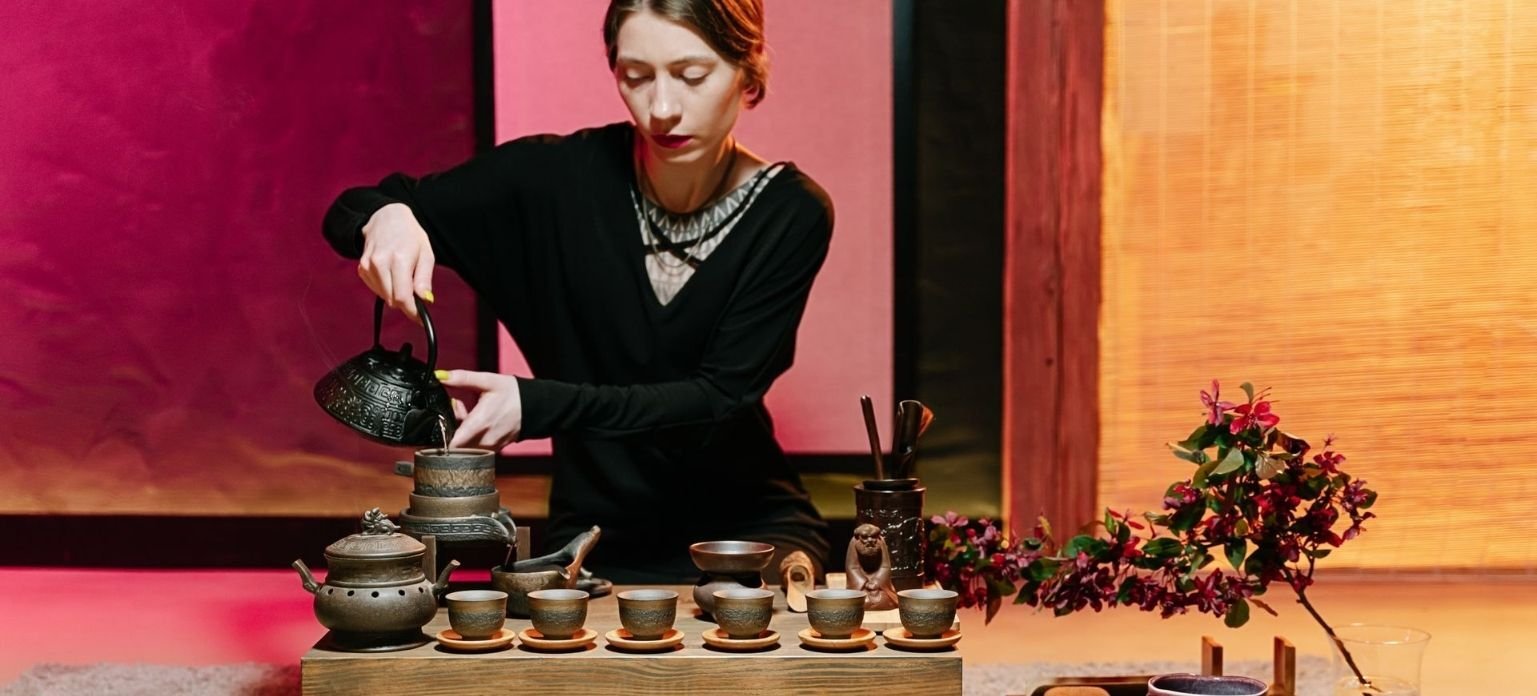

Most People & Culture leads have already run the usual team events — the escape room, the bowling night, the dinner where three people quietly leave early. A tea ceremony is a different kind of format. When you book a tea ceremony Berlin experience for your team, you're not really planning entertainment. You're planning an hour of shared, unhurried attention. This guide looks at the tea ceremony as a corporate format: what teams actually take away, how it fits inside a normal workday, and how to plan one without turning it into a tourist outing.
Team events have a quiet problem. The louder the format, the harder it is for quieter people to take part. Karaoke, competitive games, and long dinners reward the same three extroverts every time. Everyone else attends, smiles, and forgets it by Monday.
A tea ceremony flips that. It's slow, structured, and low-pressure. Nobody has to perform. There's no scoreboard and no "fun" being demanded of anyone. For a People & Culture lead, that's the appeal: a format where the whole team is included on equal terms, including new joiners, introverts, and people who dread the annual off-site.
This is also where a corporate booking differs from what you'll find on tourist sites. Those listings sell cultural immersion to individuals on a weekend. You're planning for a team on a Tuesday. The goal isn't a bucket-list tick — it's a shared experience your people carry back to their desks.
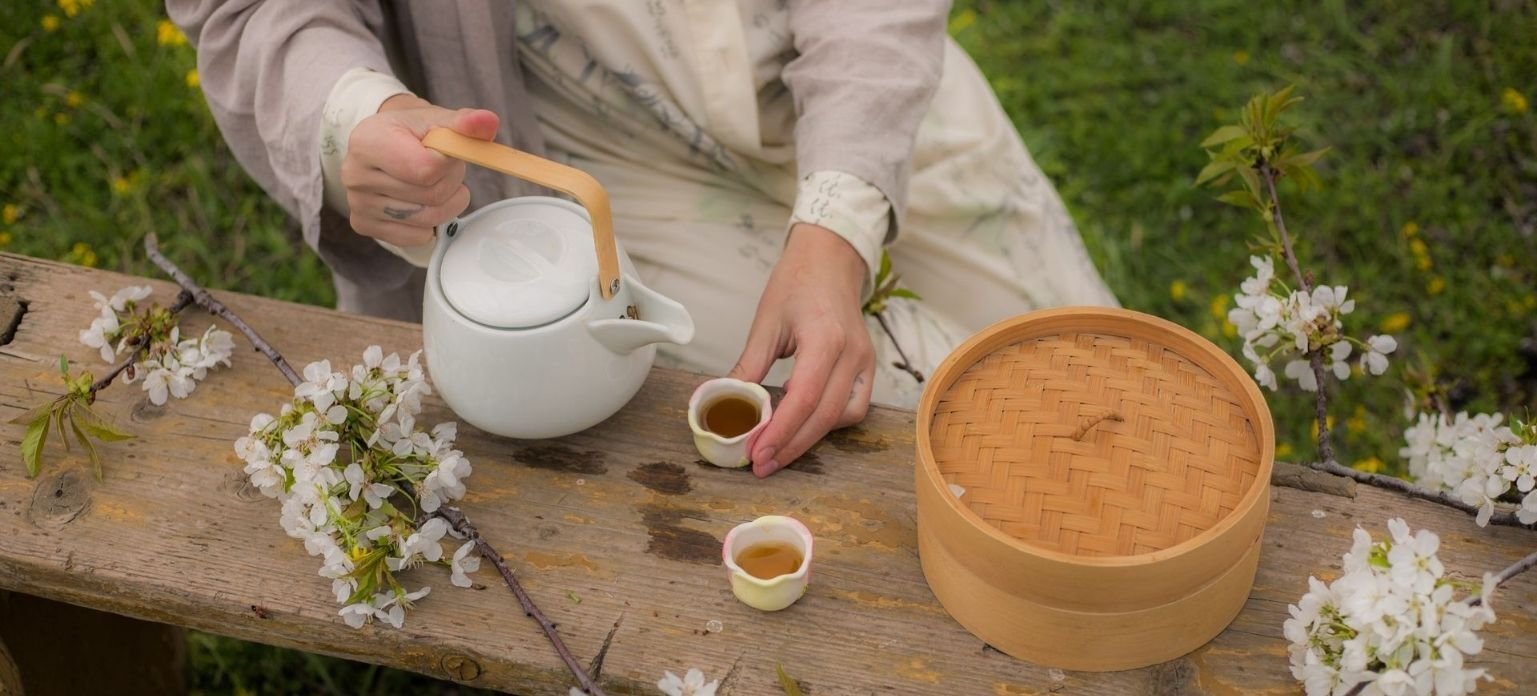
A tea ceremony is a slow, deliberate ritual built around preparing and drinking tea with full attention. In the Japanese tradition, every movement has a reason, and the point is presence rather than speed. A host prepares the tea, guests receive it, and for a short window everyone is doing exactly one thing.
You don't need any background to take part. A good facilitator explains the meaning behind each step as it happens, so a first-timer and a long-time enthusiast get the same experience. That accessibility is what makes it work as a group format instead of a niche hobby.
For a workplace, the useful part isn't the tea itself. It's the container. The ceremony gives a team permission to slow down together — something that rarely happens during a normal week.
A corporate tea ceremony isn't about learning to make matcha. It's about the state it puts people in. Here's what teams tend to walk out with.
Phones go away. There's no laptop, no Slack, no "quick thing" pulling anyone out of the room. For 60 to 90 minutes, your team is fully present with each other. That's rare enough now that people notice it — and remember it.
If your team has just shipped a big launch or survived a hard quarter, a high-energy event can feel like more noise on top of noise. A tea ceremony works in the opposite direction. It lowers the temperature. People leave calmer than they arrived, which is often exactly what an overworked team needs.
Because nobody has to be loud or good at anything, participation evens out. Senior leaders and week-one hires sit in the same circle, follow the same steps, and share the same silence. That flat structure quietly does more for team cohesion than most icebreakers.
Weeks later, people still bring it up. "Remember the tea thing?" A distinctive, calm experience becomes a small piece of shared team language — the kind of thing that makes a group feel like a group.
You might also like: Tea Ceremony Team Building: How It Works and Why It Fits the Office
The biggest objection you'll hear is time. Here's the reassuring part: a tea ceremony fits neatly into the working day, and you don't need to block out an entire afternoon.
A typical corporate tea ceremony runs 60 to 90 minutes. That means you can slot it in without wrecking anyone's schedule. A few formats that work well:
You can host it in your own office if you have a quiet room, or off-site if you want people fully away from their screens. Either way, the footprint on the calendar is small — closer to a long meeting than a day out.
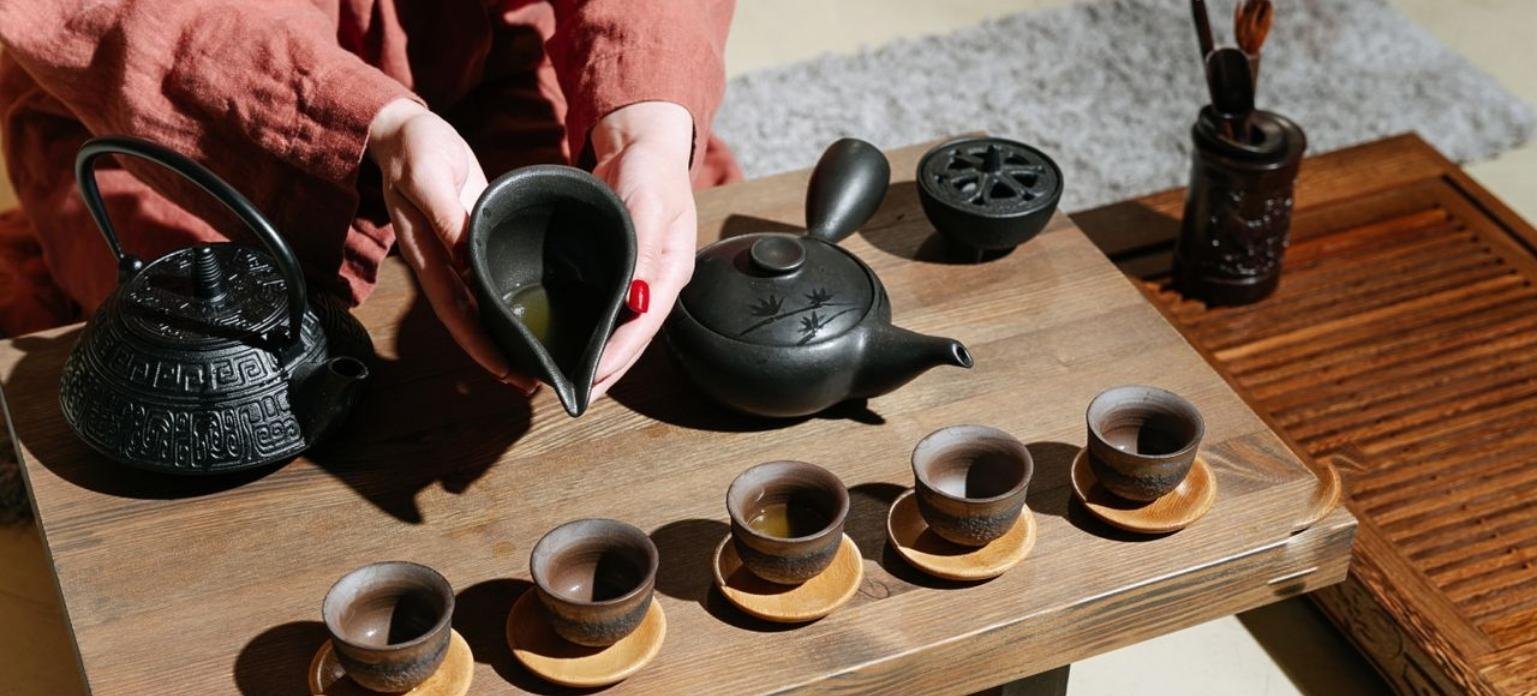
If you want to understand the tradition before you book, or point curious colleagues somewhere afterward, here's an honest starting map. The aim is authenticity, not a tourist checklist.
Berlin has a small but real community around Japanese tea culture. Look for a few types of hosts:
When you're booking for a team, ask hosts two practical questions: can they run a private group session, and can they explain the ritual in a language everyone understands? A host who does both will give you an authentic experience that still works for a mixed office group.
For anyone who wants to study rather than just attend:
Share this shortlist internally, and you'll usually find one or two people who become quietly enthusiastic — often the same people who'll help you champion the next event.
You might also like: Matcha Workshop in Berlin: A Calm Team-Building Idea for Offices
Once you've decided a tea ceremony is the right format, keep the logistics light. Here's a checklist you can lift straight into your planning doc:
Keep it this simple and the event runs itself. The whole point of the format is that it isn't a production.
A tea ceremony won't suit every occasion. If your team wants adrenaline, book the go-karts. But if you're looking for something inclusive, low-pressure, and genuinely different — something that leaves people calmer and more connected than they arrived — it's hard to beat. It's the rare team event that quiet people actually enjoy, and it fits inside a workday instead of eating one.
When you're ready to plan one, create an account with Officeguru to find and book a vetted host in a few minutes — no back-and-forth, no chasing quotes. Set the date, brief your team, and give them an hour they'll still be talking about next month.