Employee Experience
Office Management Hacks
Case Study


If you are an Office Manager, you know the sound of silence. It’s the sound of a team happily eating lunch. But more often, you know the sound of feedback.
"Why is there so much bread?" "Is this gluten-free?" "My Gen Z intern says this packaging isn't compostable."
Keeping up with employee food preferences in 2025 is harder than keeping up with TikTok trends. The days of "pizza Friday" solving all morale problems are over. Today, food at work isn't just fuel; it's a statement about culture, wellness, and sustainability. Providing the right office-catering experience is now a critical part of talent retention.
"Good job" starts with good fuel. But what does "good" look like now? We analyzed data from hundreds of offices and looked at the modern office catering landscape to tell you exactly what your team actually wants—and how to give it to them without blowing your budget.
Remember when "healthy" just meant a sad salad with low-fat dressing? Those days are gone. The biggest shift in workplace nutrition trends for 2025 is the move toward functional foods.
Employees aren't just asking, "Will this make me fat?" They are asking, "Will this help me focus?" or "Will this crash my energy at 2 PM?"
Your team is tired. They want food that fights the afternoon slump.
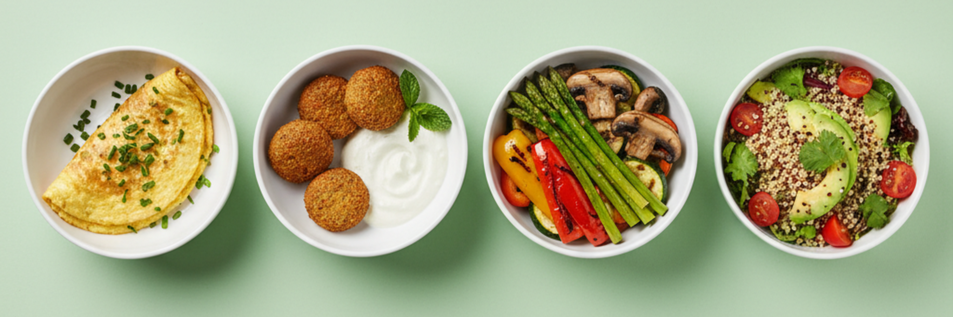
If you walk into any hip office in Copenhagen, Berlin, or Stockholm right now, you won't see sandwiches. You will see bowls.
The "Power Bowl" or "Buddha Bowl" has become the MVP of trending office food. Why? Because it solves the Office Manager’s biggest headache: customization. Whether you are setting up a daily lunch or a large buffet catering berlin spread, the bowl format is undefeated.
A sandwich is a commitment. A bowl is a choice.
Why this works: The vegan takes the tofu. The keto dieter skips the rice. The picky eater skips the sauce. You order one menu, and everyone builds their own perfect lunch. No special requests. No drama.
In 2020, the "vegan option" was often an afterthought—a lonely grilled pepper on a plate. In 2025, plant-based is often the main event.
But here is the nuance: most of your employees aren't vegans. They are flexitarians. They eat meat, but they want to eat less of it, and they want it to be higher quality.
The trend isn't to ban meat; it's to flip the ratio.
Officeguru Insight: "If your lunch could talk, it shouldn't say 'I'm a compromise'." The best plant-based meals are the ones where you don't miss the meat. If your current caterer’s idea of vegetarian is "cheese pasta," it’s time to switch.
You aren't just feeding people; you are feeding generations. And they want very different things.
For your youngest employees, food is political.
They are busy, tired parents or climbing the career ladder.
They value consistency and comfort.
The Fix: You can't please everyone with one dish. But you can please everyone with variety. Rotating kitchens (e.g., Taco Tuesday for Gen Z, Roast Thursday for Boomers) keeps the peace. If you want to bridge the gap on a Friday afternoon, ordering trendy but accessible fingerfood catering berlin is a great way to bring all generations together.
The world is stressful. Sometimes, your team just wants a hug in a bowl. We are seeing a massive rise in contemporary catering that focuses on "Newstalgic" food—classic comfort dishes upgraded with healthy ingredients.
It satisfies the craving for comfort without the "heavy" feeling that kills afternoon productivity.
In 2025, sustainability isn't a "nice to have." It's a hygiene factor. If your bin is full of plastic at 2 PM, you have failed the culture test.
You are looking at this list thinking, "I have to provide functional, sustainable, plant-forward, multi-generational meals every day? I quit."
Relax. You don't have to cook it. You just have to manage it.
The biggest mistake in modern office catering is signing a long-term deal with one vendor.
Stop guessing what people want.
If you switch to "Meat-Free Mondays," tell the team why (sustainability, health). If you switch to local sourcing, put up a sign about the farm.
Food trends come and go (remember the charcoal latte?), but the core desire remains the same: Employees want to feel cared for.
They want food that tastes good, makes them feel good, and aligns with their values. By embracing workplace food trends like functional nutrition, flexibility, and sustainability, you aren't just filling stomachs. You are fueling a culture where people actually want to show up.
The office lunch is the last true communal moment of the workday. Make it count. Ready to bring your office menu into 2025? Go ahead and sign-up today to explore flexible, trend-forward catering options your whole team will love!