Bringing a multilingual, international team together for a
corporate event is one of the most rewarding challenges a workplace manager can face. When your colleagues come from different cultural backgrounds, a standard one-size-fits-all approach no longer works. You need an environment where everyone feels comfortable, seen, and ready to connect. If you are coordinating
team events berlin, or in any major international hub, the pressure is on to deliver an experience that resonates across borders, languages, and dietary preferences.
Many generic guides will give you a standard 7-step checklist for throwing a party. But real event planning in a modern startup requires more than booking a venue and ordering a microphone. It is about logistics under pressure, cultural inclusion, and learning from honest feedback. To show you how it is done, we are looking at the firsthand experience of Lidia, a Senior Workplace and Culture Manager at a Berlin-based travel startup with a highly international workforce. Her insights show exactly how to move beyond basic administration to build events that truly serve your team.
The Reality of Event Planning on a Tight Timeline
 In a fast-paced work environment, you rarely get the ideal six-month runway to plan a major gathering. Sometimes, you are thrown right into the deep end.
When Lidia first joined her company, she was tasked with organizing their major annual summit. "When I first joined Turlin, I only had three months to organize this annual summit. And it went well," she explains. Bringing everyone from across Europe to Berlin to celebrate and work together in just 90 days sounds daunting, but it is entirely possible if you stick to the fundamentals of project management.
How to Survive a 90-Day Sprint
If you find yourself planning a massive team offsite or a corporate event on a compressed timeline, structure is your best friend. Do not panic; organize.
-
Month 1: The Big Rocks. Lock in the date, the venue, and the core budget. If you are flying people in, secure flights and accommodation immediately. Delaying these steps will inflate your costs exponentially.
-
Month 2: Vendors and Itinerary. This is when you finalize the schedule and secure your partners. From specialized workshops to AV equipment, get your contracts signed.
-
Month 3: Communication and Details. Focus on the attendee experience. Send out clear agendas, finalize dietary restrictions, and prepare your on-site team for the actual execution.
Lidia points out that delivering something fast can sometimes mean it is more expensive, which is a classic project management trade-off. But by staying calm and composed no matter the circumstances, you can navigate the inevitable hiccups that come with tight deadlines.
Building a Monthly Culture Calendar (Not Just a Summer Party)
A common mistake in employee experience is putting all your budget and energy into one massive summer party or winter gala, while ignoring the rest of the year. To build genuine connections in a multicultural team, you need a steady rhythm of smaller, meaningful corporate events.
Lidia’s approach is to weave international discovery into the regular work calendar. "We usually have one monthly event that is structured around a new culture," she notes. Because her team is made up of well-traveled people from around the world, she leverages that diversity.
Instead of a generic Friday happy hour, they host themed experiences. "We were visiting China for the Chinese New Year, for example, or had a flamenco class here," she says. This framework creates a predictable schedule but an unpredictable, exciting format. The team is consistently surprised with something new.
Practical Steps for Monthly Culture Events:
-
Survey the Room: Find out what cultures, holidays, and traditions are represented in your office.
-
Pass the Mic: Invite team members to co-host or share elements of their heritage.
-
Keep it Low-Barrier: Make these events optional, accessible, and scheduled during normal working hours so parents and commuters can participate.
Which team building exercises help improve communication and collaboration within a group?
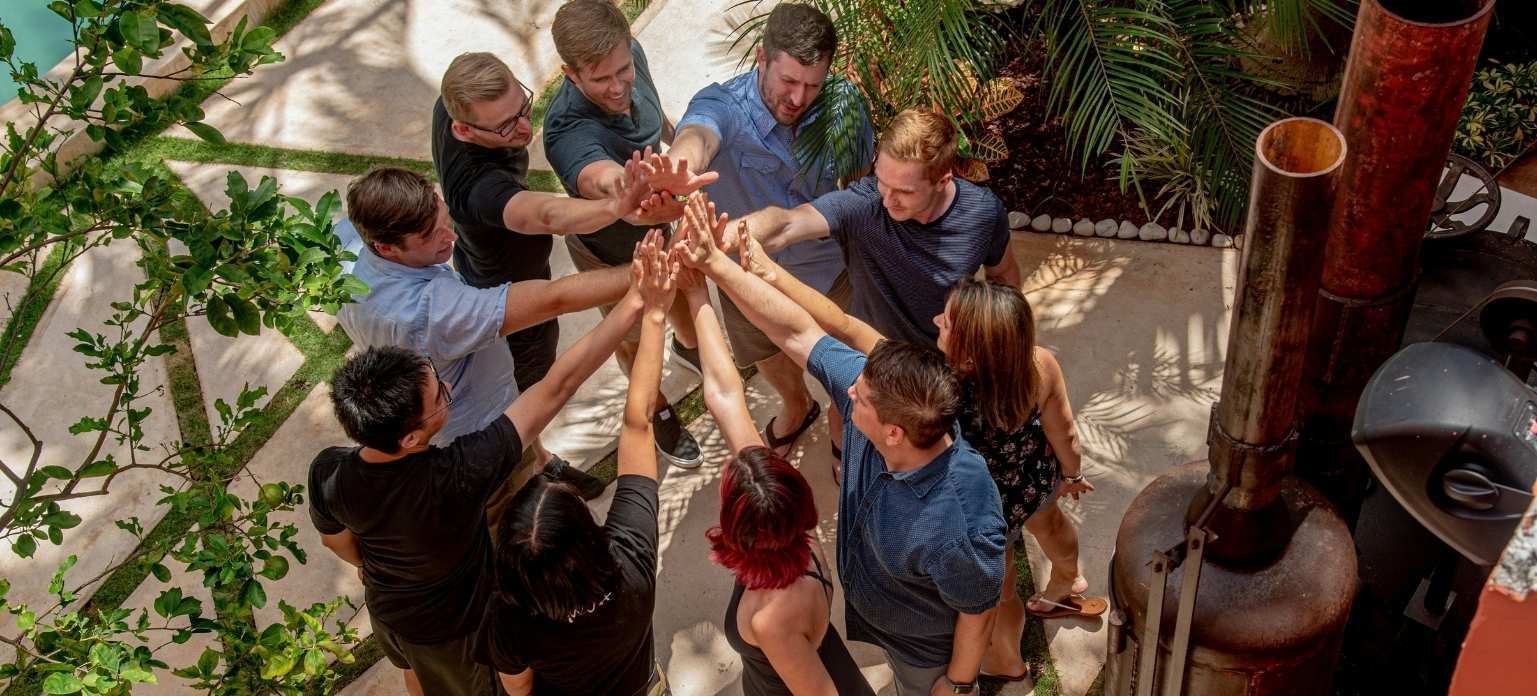
When you bring international teams together, language barriers and differing communication styles can create friction. Team building exercises should actively bridge these gaps, rather than forcing everyone into an uncomfortable, extrovert-heavy spotlight.
To improve communication in a diverse group, exercises must require active listening and collaborative problem-solving.
-
The "Map of Us": Have a large physical or digital map of the world. Give everyone a few pins or digital markers to indicate where they were born, where they have lived, and where they want to go. This visual exercise instantly sparks organic conversations about travel, backgrounds, and shared experiences without forcing anyone to give a formal speech.
-
Cross-Functional Problem Solving (The "Hackathon" Mini-Model): Divide the team into small, mixed groups consisting of people who rarely work together (e.g., pairing engineers with the marketing team). Give them a low-stakes, creative problem to solve within 45 minutes. The goal is not the solution itself, but navigating how to communicate ideas across different professional vocabularies.
-
Cultural Show-and-Tell: A simple exercise where team members are invited to bring one item (a snack, a photograph, an object) that represents their home country or a place they love. By explaining the significance of the item, communication becomes storytelling, which is universally engaging and builds deep empathy.
What are some engaging team games that can be used in a workplace to boost morale and teamwork?
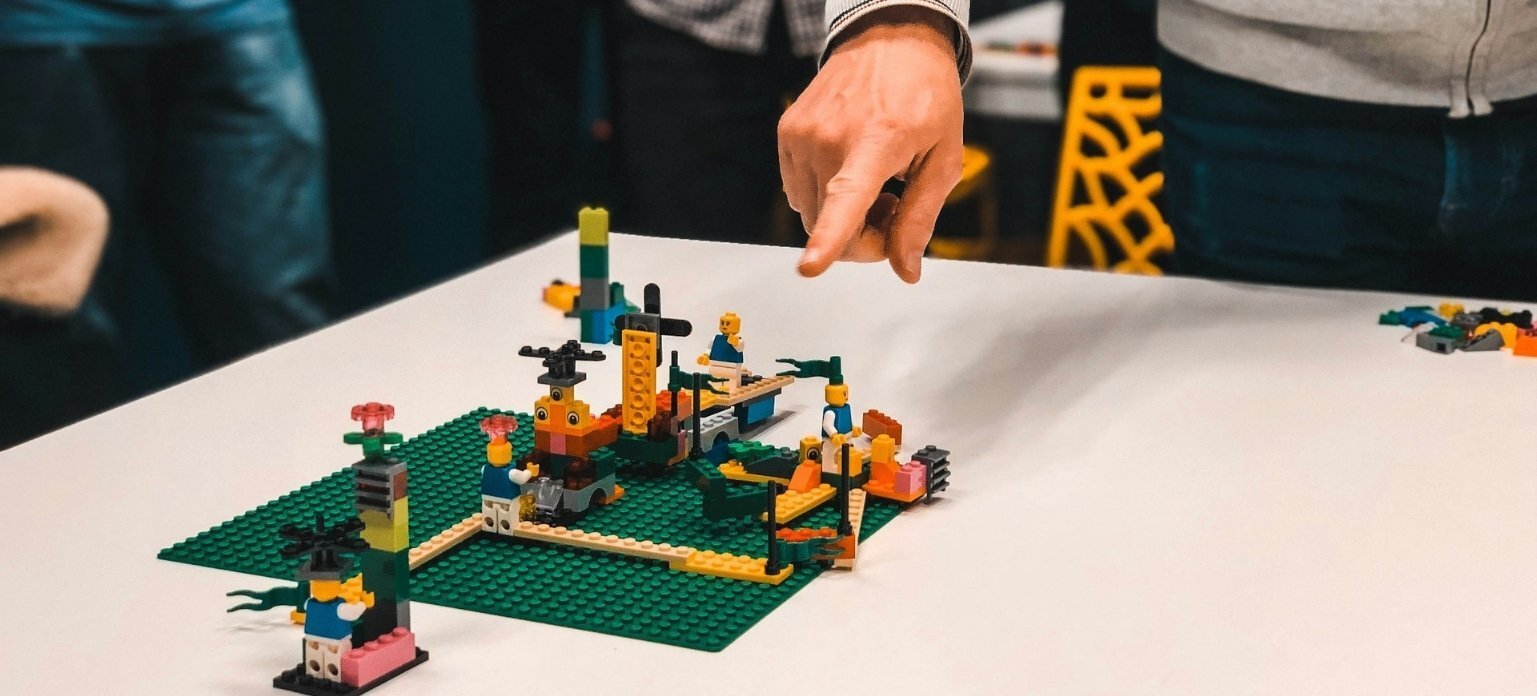 Games are a fantastic way to break the ice, but they must be carefully selected. If a game relies heavily on local pop culture trivia or deep fluency in a specific language, you risk alienating international staff. The best games for multicultural workplaces rely on logic, creativity, and visual cues.
-
Desk-to-Desk Puzzles: If you want a slow-burn morale booster, set up a complex jigsaw puzzle or a collaborative LEGO build in a common area. It encourages people from different departments to stop, work together for five minutes, chat informally, and contribute to a shared goal over the course of a week.
-
Two Truths and a Lie (Workplace Edition): A classic game, but highly effective for onboarding new employees or kicking off a meeting. It requires minimal setup and allows people to share interesting, surprising facts about their past experiences or cultural backgrounds.
-
The "Marshmallow Challenge": Teams are given 20 sticks of spaghetti, one yard of tape, one yard of string, and one marshmallow. The goal is to build the tallest freestanding structure that can support the marshmallow. It is entirely language-agnostic, requires zero cultural context, and immediately highlights team dynamics and leadership styles.
Can you suggest a mix of indoor and outdoor team building games suitable for a corporate workshop?
When planning a team retreat or a full-day workshop, you must account for energy slumps. Sitting in a conference room for eight hours drains morale. Mixing indoor-focused activities with outdoor kinetic games is the best way to keep the team engaged.
Indoor Activities (Focus and Strategy)
-
Escape Room Challenges (Portable): You do not need to leave the venue. Many companies offer portable escape room boxes where small teams must solve logic puzzles and crack codes. This is perfect for indoor team building as it demands intense collaboration and critical thinking.
-
The Pitch Challenge: Teams are given a ridiculous, fictional product (e.g., a waterproof teabag) and have 30 minutes to develop a marketing pitch. Presenting these pitches is usually hilarious and requires creativity, structure, and teamwork.
Outdoor Activities (Energy and Movement)
-
Scavenger Hunts (City Exploration): If you are hosting a team offsite in a new city (like flying your European team to Berlin), organize a scavenger hunt. Give small groups a list of landmarks to find and photo challenges to complete. It gets them out of the meeting room, encourages them to navigate together, and doubles as sightseeing.
-
Low-Impact Tournaments: Think Kubb (Viking chess), bocce ball, or cornhole. These games do not require extreme athletic ability, making them highly inclusive, but they still get people outdoors, breathing fresh air, and engaging in lighthearted competition.
By balancing intense, strategic indoor games with relaxed, physical outdoor activities, you ensure that everyone's working style and energy levels are accommodated.
The Core of Inclusion: Dietary Needs and Physical Accessibility
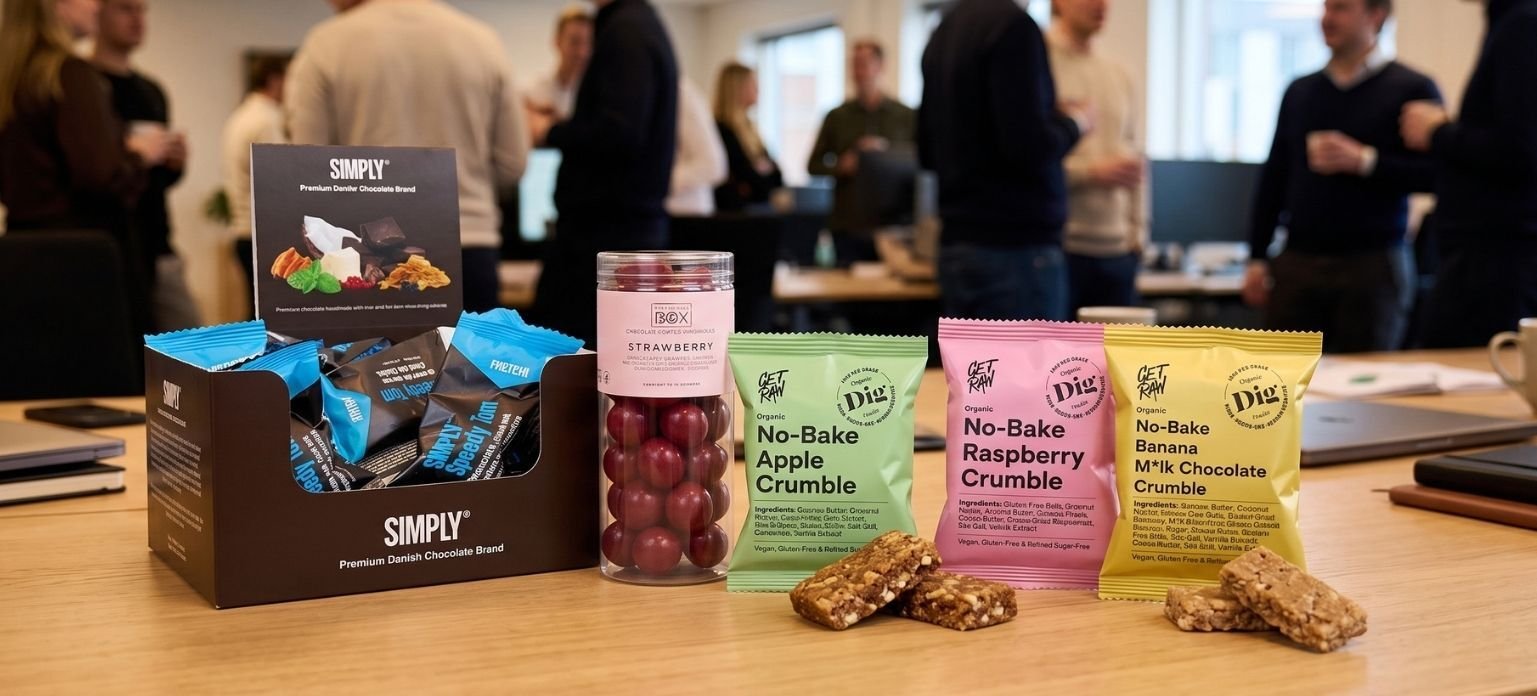 You can plan the best games and book the most beautiful venue, but if a team member cannot eat the food or access the space, the event is a failure. Inclusion is not a buzzword; it is a logistical requirement.
"If you want everyone to have fun, you need to think about those vegans and maybe about people who have some limitations," Lidia advises. Being inclusive means anticipating needs before they become awkward problems for your employees.
This is where your
office catering strategy makes or breaks the experience. A standard buffet of heavy meats and gluten-heavy pastas will leave a significant portion of a modern international team hungry and frustrated.
How to Get Catering Right for Diverse Teams:
-
Data Collection First: Never guess what your team eats. Send out a dietary requirement survey four weeks before the event. Track allergies (nuts, gluten, dairy), ethical choices (vegan, vegetarian), and religious dietary requirements (halal, kosher).
-
Equal Alternatives: A vegan meal should not just be a side salad while everyone else eats steak. Ensure that the plant-based and allergy-friendly options are just as hearty, delicious, and thoughtfully prepared as the main menu.
-
Clear Labeling: When the food arrives, ensure every single dish is clearly labeled with its ingredients and allergens. Your international team should not have to play a guessing game or constantly track down the catering staff to ask if a dish contains dairy.
When you simplify the logistics by partnering with trustworthy vendors, you remove the stress of vendor management. Lidia notes that using a centralized service for catering and handyman needs allowed her to rely on trustworthy partners and fast research, creating a very comfortable solution.
Closing the Loop: How to Gather Real Feedback
The most crucial part of event planning happens after the event is over. If you want to improve, you must ask for honest feedback. Assume that no event is perfect, and view every gathering as a prototype for the next one.
"I'm very open to hearing what people liked, what people didn't like, so that we can make some small improvements on the way," says Lidia. Gathering feedback from a diverse team requires offering multiple channels for communication, as different cultures and personalities have different comfort levels with direct criticism.
Three Ways to Capture Event Feedback:
-
Anonymous Ticketing Systems: Some employees will only give honest, constructive criticism if they know it cannot be traced back to them. An anonymous option is crucial for understanding systemic issues or logistical failures.
-
Post-Event Surveys: Send a brief (under five questions) survey within 48 hours of the event. Ask for ratings on the venue, the food, the activities, and leave an open text box for general suggestions.
-
Public Community Channels: Lidia’s team uses a Slack community where people can reach out and discuss things publicly. If an event went exceptionally well, public praise on a Slack channel boosts morale and encourages others to attend the next one.
By analyzing this data, you learn exactly what your team values. Maybe they loved the scavenger hunt but hated the heavy lunch. Maybe the venue was beautiful but the acoustics made it impossible for non-native speakers to hear the presentations. You take these learnings, adjust your playbook, and ensure the next gathering is even better.
Final Thoughts
Planning a successful event for a diverse, international team is an ongoing process of learning, adapting, and listening. It goes far beyond booking a room and sending a calendar invite. It requires a deep understanding of logistics, a commitment to genuine inclusivity, and the ability to stay calm when timelines get tight. By focusing on clear communication, inclusive activities, and thoughtful catering, you transform a standard corporate obligation into a meaningful shared experience that strengthens your company culture.
Are you ready to elevate your workplace experience and take the stress out of event planning and facility management? We invite you to schedule a no-compromise meeting with an Officeguru partner to discuss your current needs or explore areas for improvement for your office and employees. Let us handle the logistics so you can focus on building a thriving culture. Discover how we can help by booking a consultation today.