
Employee Experience
Office Management Hacks
Case Study


The scariest part of a new job isn't the first meeting. It isn't learning the software. It isn't even meeting the CEO.
For most new hires, the most anxiety-inducing moment of the first week is 12:00 PM on Monday.
"Who do I sit with?" "Do I bring my own food?" "Is there a microwave code I don't know?" "Will I look like the lonely kid in the school cafeteria?"
If you work in HR or Office Management, you spend weeks planning the new hire experience. You set up the laptop, print the handbook, and schedule the training. But often, the lunch plan—and securing the right office catering—is an afterthought. "We'll just order pizza," you think.
This is a missed opportunity. Lunch is the first real social test of your company culture. It is the moment where a new hire decides if they belong or if they are just an observer.
A strategic office lunch onboarding plan turns that awkward 12:00 PM panic into a powerful signal of belonging. Here is how to use food to make your new hires feel like they have arrived home.
Why focus on food? Because eating is the most primal form of social bonding. In every culture on earth, sharing a meal is a sign of trust and safety.
When a new employee joins, their brain is in "fight or flight" mode. They are scanning for threats. By orchestrating a welcoming, low-stress team integration lunch, you signal safety. You lower their cortisol levels. You allow their personality to come out.
"Good job" is mutual. It requires the employee to be ready to work, but it requires the company to create the conditions for connection. Lunch is that condition.
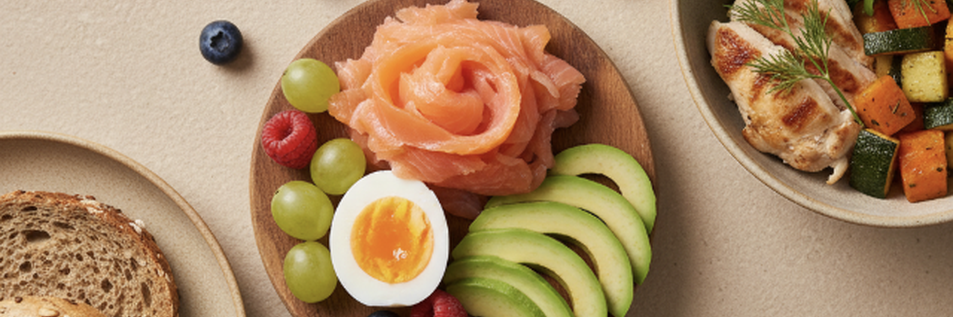
Great employee integration starts before the employee walks through the door.
Most welcome emails ask for bank details and tax forms. To really stand out, ask for their food preferences.
The Officeguru Advantage: With our platform, you can invite the new hire to the app before they start. They can browse the menus and set their dietary profile themselves. It empowers them before they even badge in.
Rule #1 of office culture onboarding: A new hire should never, ever eat alone during their first week.
Leaving a new hire to "figure it out" is a failure of hospitality. It forces them to navigate complex social dynamics when they have zero social capital.
Don't just rely on the direct manager (who might be busy). Assign a peer "Lunch Buddy" from a different team.
Avoid the "Boardroom Sandwiches" trap. Sitting stiffly in a meeting room eating sandwiches while the manager interviews the new hire is not a break; it’s a continuation of the interview.
Believe it or not, the type of food you serve affects the quality of the conversation.
On Day 1, the new hire is nervous. Do not serve:
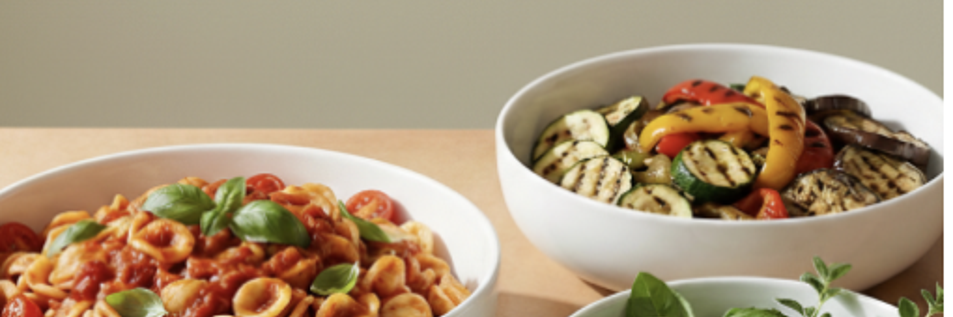
The best new employee welcome meals are shareable.
Lunch is also the best time to teach the "Unwritten Rules" of the office. These are the small cultural norms that aren't in the handbook but cause anxiety if broken.
Use the lunch break to explain:
By explaining these during a casual meal, you remove the fear of making a mistake. You fast-track their employee integration.
How do you handle office lunch onboarding if the new hire is in London and the team is in Copenhagen?
You cannot share a table, but you can still share the moment.
Here is how to execute a perfect food-based onboarding week:
Week Before Start Date:
Day 1 (The Welcome):
End of Week 1:
You only get one chance to make a first impression.
You can tell a new hire that your company is "inclusive," "welcoming," and "people-first." But if they spend their first lunch hour eating a granola bar alone in a stairwell, they won't believe you.
On the other hand, if they sit down to a delicious, high-quality meal, surrounded by colleagues who know their name and their dietary needs, they know they have landed in the right place.
Office lunch onboarding is a small investment with a massive return. It builds loyalty from the very first bite.
At Officeguru, we make this easy. We handle the preferences, the variety, and the logistics, so you can focus on the welcome. Ready to make your new hires feel like part of the family on Day 1? Go ahead and sign-up today to create a seamless, culture-building catering program for your growing team!