
Employee Experience
Office Management Hacks
Case Study
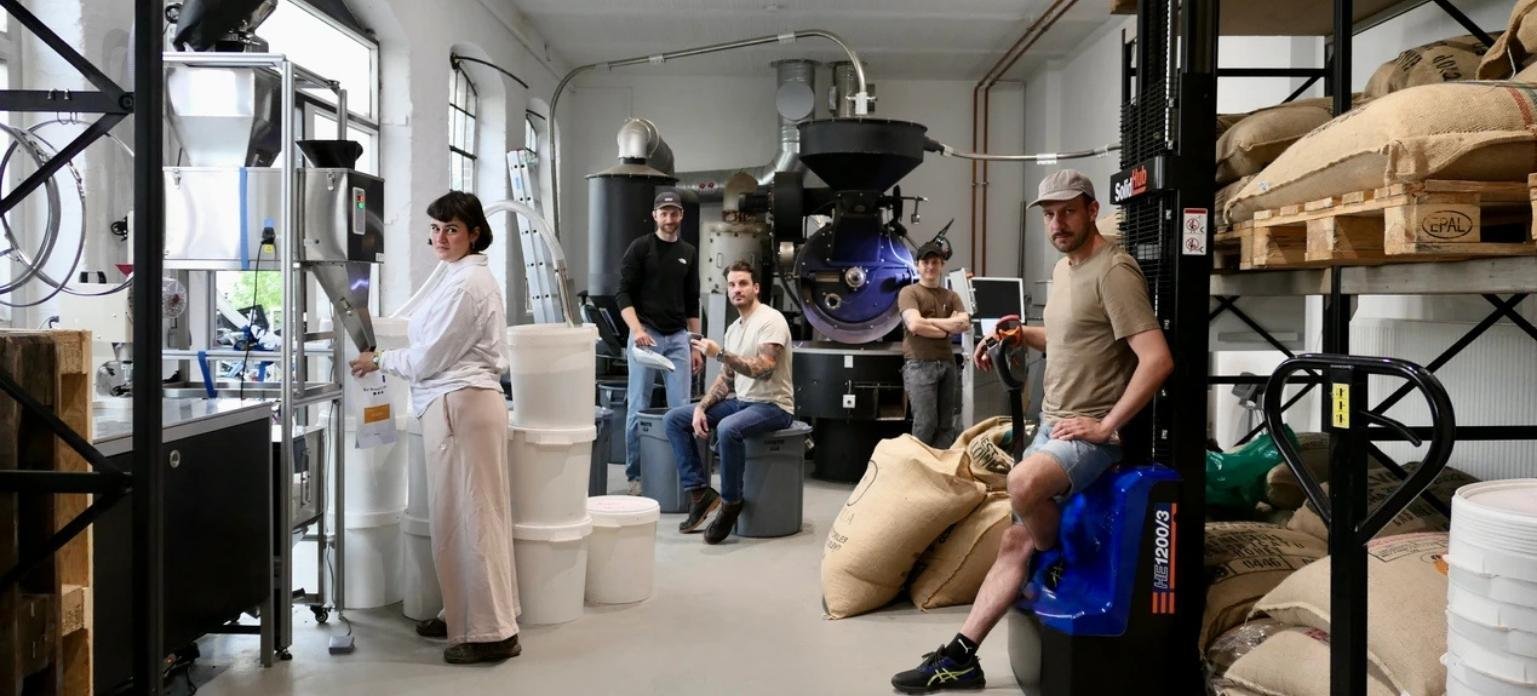

Coffee for companies is rarely just a beverage. It’s part of your culture—and an expense that generates both costs and packaging waste every year. As an office manager with responsibility for CSR and the budget, you’re often caught between two goals: reducing your environmental impact while still keeping costs under control. A well-planned office coffee subscription can achieve both—but only if the numbers add up and it’s not just the label that’s green. That’s exactly what this is about: real value instead of vague promises.
“Climate-neutral,” “eco,” “sustainable”: These words appear on almost every coffee package. The problem is that they often don’t mean anything concrete. A seal without independent verification. A capsule made of “plant-based material” that still ends up in the regular trash. A CO₂ offset that isn’t backed up by any evidence.
For you, this means: It’s not the marketing that matters, but the facts behind it. Three questions will help you distinguish true sustainability from greenwashing:
If any of these answers are missing, caution is advised. “Sustainable” without numbers is, for now, just a word. And a word saves neither money nor waste.
The good news: The most eco-friendly solution is often also the most affordable in the office. This comes down to two factors—packaging and quantity.
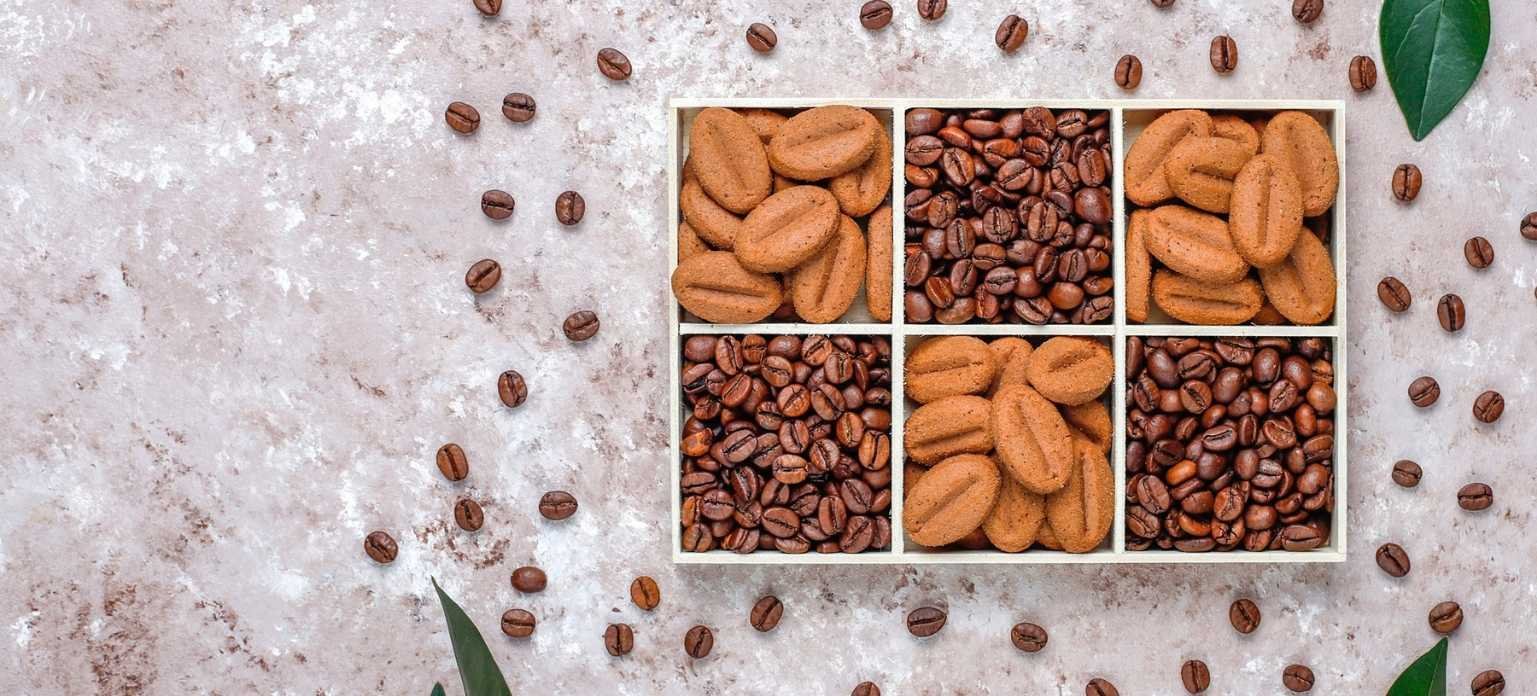
Capsules are convenient, but expensive and generate a lot of waste. Each serving comes with its own wrapper. Whole coffee beans, on the other hand, require hardly any material per cup. A fully automatic machine grinds the beans fresh, and you pay only for the coffee—not for aluminum and plastic. If you have coffee beans delivered to the office, you’ll reduce both costs and waste at the same time.
The smaller the serving, the more packaging. 200 capsules generate 200 casings. Two kilograms of beans come in one bag. For a reliable coffee supply in the office, bulk containers are therefore almost always the better choice—both ecologically and financially. You’ll order less often, have less packaging in storage, and enjoy greater budget clarity.
Not every “green” packaging option is automatically better. Three things are key:
A compostable capsule sounds good. But a bag of coffee beans that produces ten times less waste per cup is usually the more sustainable choice in practice.
You might also like: Which Coffee for the Office? Choosing the Right Variety, Roast, and Quantity
Let’s crunch the numbers. The following figures are examples—your actual prices depend on the provider, quantity, and variety. But the order of magnitude clearly illustrates the pattern.
| Format | Coffee per cup | Example Price | ≈ € per cup | Packaging per cup |
|---|---|---|---|---|
| Capsules | ~5–6 g | ~0.35 €/capsule | ~0.35 € | High (individual wrapper) |
| Pads | ~7 g | ~0.15 €/pad | ~0.15 € | Medium (serving) |
| Whole beans (conventional) | ~8 g | ~18 €/kg | ~0.14 € | low |
| Whole beans (organic, bulk) | ~8 g | ~24 €/kg | ~0.19 € | very low |
The pattern is clear: Whole beans often cost only about half as much per cup as capsules—and generate a fraction of the waste. Even certified organic beans in bulk remain cheaper than conventional capsules. In other words: The “sustainable” capsule is usually more expensive and generates more waste than plain beans without an organic label.
Do the math for your own office:
Cups per day × workdays × € per cup
At 40 cups a day and about 220 workdays, that’s roughly 8,800 cups a year. The difference between €0.15 and €0.35 per cup adds up to over €1,700—for the same amount of coffee. That’s the budget you’ll need for other things.

Use this list before you sign a contract:
The more checkmarks, the more transparent the offer. If any fields are left blank, ask for specifics—a reputable provider will give you the numbers.
You might also like: Perfect Milk Foam for Latte Art: Milk, Temperature, Technique
In practice, this means less hassle for you. A good coffee bean subscription means: ordering less often, less trash to clean up, and clear costs in your budget. Your coworkers will notice the better coffee above all else. You’ll notice the smoother planning.
An example from everyday life: Instead of buying capsules every week, a bulk shipment arrives once a month. The fully automatic machine runs smoothly, billing is transparent, and the sustainability report includes a figure you can verify. No greenwashing—just one item that has visibly improved. That’s exactly the difference between a green label and a genuine improvement.
Sustainable office coffee isn’t a matter of the right label, but of the right numbers. Whole beans in bulk containers are usually cheaper per cup and generate less waste than any “sustainable” capsule. Do the math, ask for proof, and choose the format that fits your office.
Want to see what a transparent coffee subscription would cost for your office? Compare options, prices, and providers all in one place with Officeguru, and sign up to set up the right coffee supply for your office in just a few minutes.