
Employee Experience
Office Management Hacks
Case Study


"That only takes five minutes." Office managers hear this all the time – and it's almost never true. If you only know office manager tasks from job ads, you see mail, snacks and meeting rooms. If you do the job yourself, you see a hundred small things that pile up every single day. This is exactly where good office services in Berlin come in: they take recurring tasks off the office team's plate, so there's more time left for what really makes an office come alive.
In this article, we don't describe the job from the outside. Five office and workplace managers from Berlin startups and scale-ups share what they actually do, what frustrates them and what they enjoy.
Five companies, five different job titles. Their experiences are still remarkably similar.
An office manager makes sure an office works – physically, organisationally and on a human level. That includes looking after the space, coordinating service providers, planning events, running projects like office moves and being the first point of contact for every colleague. The core of the job isn't administration; it's the work environment: office management creates a place where people enjoy working together and do it well.
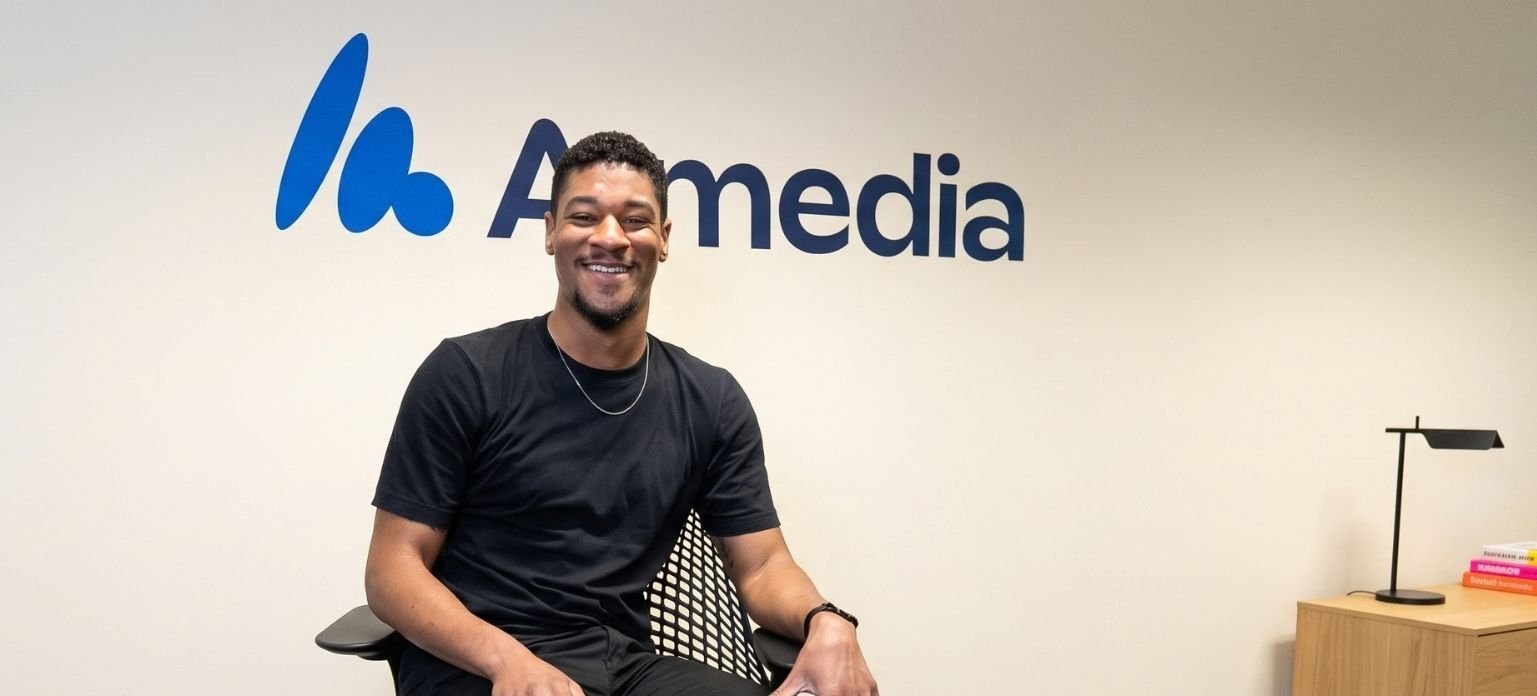
Lidia sums up her role at Tourlane like this: there are three big areas – facility management, everything around travel, and events. In between sit onboarding, support for remote employees and various culture initiatives. Her conclusion: "A lot of diversity."
 Office management tasks fall into six areas. Each of them has an administrative side. The difference lies in why these tasks get done.
Coffee machine, fridge, furniture, tech: when something breaks, it lands on your desk. Lidia describes it like this: her team is usually the first in the office, so the fridges are full and the coffee machine works before everyone else arrives.
Jay knows the flip side of a growing team. For him, maintenance is currently the biggest challenge:
"Having a building where you have so much usage now, with more than 120 people, things get used a lot more – and so things break a lot more often."
Office managers are the person everyone comes to. Jay describes a typical morning like this: "It's usually a request, a complaint or a suggestion." Lidia adds that you naturally become a person of trust – and that's exactly why you get so many ad hoc requests, including from senior stakeholders.
Catering, cleaning, handymen, snacks: behind every well-running office there's a whole set of service providers. Polina remembers the time before she bundled her suppliers: contacting different vendors, comparing offers, choosing, presenting to management. Today, by her own account, she spends "30 seconds per week" on the lunch catering – she only confirms the number of people.
Salah knows another side of this task:
"So much time goes every day into answering emails from people trying to sell me the same service."
Summer party, company summit, monthly team events: many office managers actively shape company culture. Every month, Lidia organises an event around a different country or culture – from Chinese New Year to a flamenco class. Salah points out the strategic question behind it: where does the company want to be in a year, and where do its people want to be?
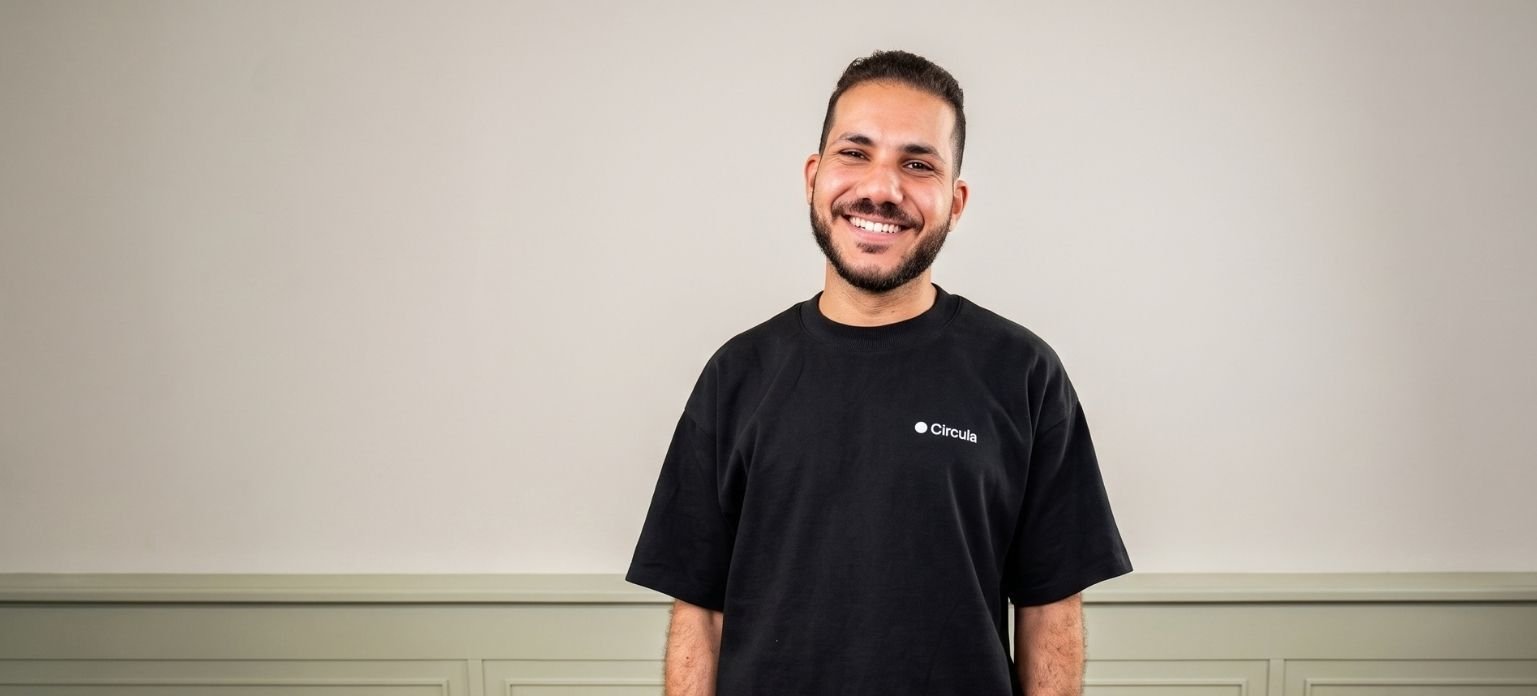
Office moves, renovations, redesigns: these projects run alongside the day-to-day work. Salah led the move at Circula "from A to Z" – from scouting offices to the concept to the actual move. Lidia managed a big renovation project over the past year.
Morena says she spends most of her time optimising processes – "for myself, for C-levels and for team members." Lidia also relies on automation and AI to get rid of repetitive tasks. Her personal goal: as little time with spreadsheets as possible.
Lidia names the most common misconception about her job directly: "A general misconception is that it's a simple admin role where you have a lot of repetitive tasks." The difference at a glance:
| Traditional administration | Office management |
|---|---|
| Works through tasks | Shapes the work environment |
| Reacts to instructions | Spots needs before anyone asks |
| Focus on documents and processes | Focus on people and spaces |
| Clearly defined duties | In touch with every department |
| Success = task done | Success = people enjoy coming to the office |
If one point came up in all five interviews, it's this: the job is underestimated because it works best when nobody notices it.
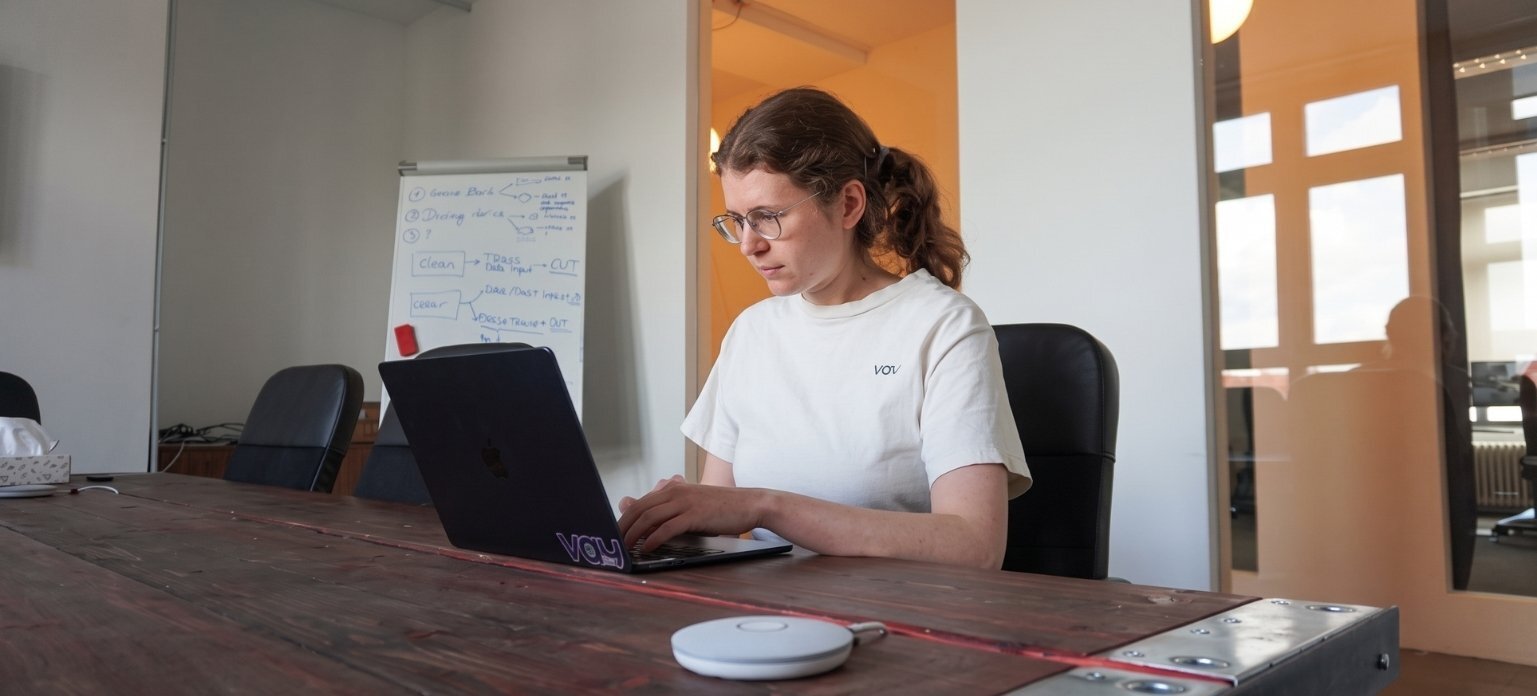
Polina has been at Vay for two and a half years. She says: "Most people think that my job takes about five minutes to do." In the beginning, that hurt a little. Today she understands where it comes from: "Only a small part of it is five minutes – and then it piles up."
On her first day, her manager introduced her to the company with a sentence that describes the job perfectly: "You will only know that Polina is not doing her job if everything falls apart."
Morena sees it the same way: "There's this misconception that office managers don't do a lot, but actually it just means that we're doing our job well."
And Salah puts it plainly: "It's sometimes a very thankless job – people only notice if something goes wrong." Salah is also frustrated by the idea that the role is about running after people and cleaning their dishes. Morena takes the same topic with humour: "Where are your cups going, if not in the dishwasher?"
| Myth | Reality from the interviews |
|---|---|
| "That only takes five minutes." | Lots of small tasks that pile up (Polina) |
| "Office managers don't do much." | When everything runs smoothly, that is the work (Morena) |
| "It's just tidying up." | Culture, events and strategy are part of it (Salah) |
| "It's pure administration." | In touch with every department, always new challenges (Lidia) |
Interestingly, at Vay it was the office move that changed perceptions. According to Polina, it showed colleagues how much effort actually goes into a well-running office.
 How do these tasks spread across a normal working day? Morena describes her day like this, and the other voices fit right in:
Salah calls it "the daily firefighting": situations keep coming up that need solving right away. Lidia has learned to stay calm through it all: sometimes not enough food was ordered, sometimes a big team trip goes sideways. "You need to be ready for different types of unexpected situations and crises."
And then there are the tasks nobody misses. Morena would cross one off immediately: "checking the mail – especially in Germany." Anyone running an office in Germany knows what she means.
 Two of the five interviewees carry the title "Workplace Experience Manager", and one has "Culture" in her title. That's no coincidence. The term workplace management describes how the role has evolved quite precisely: away from managing spaces, towards shaping the experience of work.
Salah puts it like this: "It's more than just the office; it's more than just the stuff, the hardware. Our role is to enhance the employee experience and not just to take care of the four walls."
Behind this is a very concrete observation from Berlin: "We're all talking about return to office, and we're investing so much money into offices that are sitting empty in half of Berlin." The goal, therefore, is to create the best possible space that people actually want to come to.
Jay sees it the same way: "Work is kind of your second home, essentially." For him, there's a direct link between how happy people are in the office, how productive they are, and how successful the whole company is.
Lidia adds a perspective that matters especially for hybrid teams. In companies with a hybrid model, you need someone who works as "the glue" and helps people find their place in the culture. Or, more simply: "a friendly face who will be around."
For anyone working as an office manager in Berlin, this means: your work directly influences whether the office gets used – or sits empty.
What's the best part of the job? Here, everyone agreed: colleagues' reactions.
Jay's favourite example is almost ridiculously simple. Almedia is a very fitness-focused office. "All I did was put protein powder in the kitchen – and it was one of the biggest highlights. It just changed everyone's day." His thinking behind it: you never know what stressful project someone is working on or what's going on in their life. A small thing can still make a difference.
Polina experiences this on Slack. Someone writes that their favourite snack is finally in the office. Or thanks her for getting an urgent document done within two hours. "That's the best thing," she says – and gets goosebumps telling the story.
For Salah, it's the moments after big events. Seeing everyone come and have fun after the summer party: that's the recognition that's often missing in everyday work.
No job profile in the world describes the necessary skills as honestly as the people who do the job. Here's what the five named:
By the way, several of them took a detour into the profession. Salah previously had a job with numbers, "just behind the laptop." Lidia was a copywriter before moving to Berlin. Both were looking for the same thing: more contact with people.
 New to the job, or running office management on your own? These tips come straight from the interviews:
And Morena's advice for anyone just starting out: "Be patient, talk to everyone and have fun."
If you lead an office or workplace team, or you're hiring for your first office role, it's worth taking an honest look at expectations. The interviews point to a short checklist:
Or, in Morena's words: "You need someone that is on your side all the time. And that's gonna be your person."
This article is the starting point of our series featuring five voices from Berlin offices. We explore each topic in more depth here:
Office manager tasks are more varied than any job description shows. The five voices from Berlin make it clear: the job is made up of many small things that pile up, projects that run alongside the day-to-day, and the ambition to create a place where people enjoy working. The fact that you often don't notice much of it isn't a sign of little work – it's a sign of good work.
Recognise yourself in these stories? Then let's look together at which recurring tasks are taking up the most time in your office right now – whether that's catering, coffee, cleaning or repairs. Book a call with us and pick a time below that suits you. 15 minutes is often enough to see where Officeguru can take something off your team's plate.